Nutricia Ketogenic Resources

"The ketogenic diet is a high-fat, low-carbohydrate, adequate-protein diet that has been used for more than 80 years for the treatment of medically intractable epilepsy. Effective in both children and adults, the ketogenic diet provides an alternative to standard anticonvulsant drugs. The diet is now an indispensable part of our armanentarium of epilepsy treatments." Carl E. Stafstrom, MD, PhD, Jong M. Rho, MD, Epilepsy and the Ketogenic Diet, Humana Press Inc., 2004.


Dietary Therapy Options

Introduction
For many years the Ketogenic Diet (KD) has been used as a treatment for intractable epilepsy and other metabolic diagnoses. Since the KD is extremely strict, other similar diet therapies have been used with good success.  There are many benefits from a less strict approach to the KD, such as:  improved compliance, better palatability, less side effects and no weighing of foods.

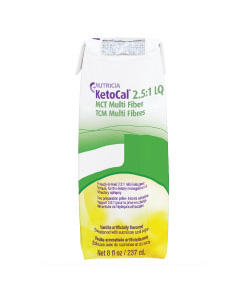
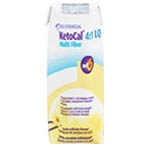
Nutricia North America, the makers of KetoCal, introduces brand new recipes for children following diet therapy for treatment of intractable epilepsy. KetoCal is a powdered ketogenic formula that can be used like a flour replacement in several recipes needing a high fat and low carb content. In addition, KetoCal contains a variety of nutrients that cannot normally be found in foods on these diet therapies. These exciting and fresh menus include easy-to-follow recipes using grams and household measurements depending on the type of diet the child is following.

There are three types of diet therapies for intractable epilepsy:

The “Classical" Ketogenic Diet (KD)
The KD is the oldest diet therapy available for the treatment of intractable epilepsy. It is a high fat, low carbohydrate (carb) diet that forces the body into a state of ketosis. It is thought that this process of burning fat for energy in the body might be helpful in controlling seizures. It is important to note the differences between the KD and the other diet options:

  • All foods must be weighed on a gram scale
  • All meals are precisely calculated using a computer program to fit a ratio (grams of fat : grams of carb + protein)
  • Total about 5-15 grams of carb per day

The Modified Atkins Diet (MAD)
The MAD is named after the popular fad diet weight loss program that is known for its low carb appeal. It has also been nicknamed the Modern Ketogenic Diet. MAD is far less restrictive than the KD and is mostly used for older children and teenagers. It is not necessary to track specifics, such as calories and ketogenic ratio on the MAD, so household measurements, such as cups and tablespoons, can be used to create meals just like regular family meals. All food labels on items must be read and careful carb counting and intentional addition of fat containing foods are key to this diet. It is important to note the differences between the MAD and the other diet options:

  • There is no restriction on calories, protein or fluid intake
  • Similar to a 1:1 ketogenic ratio (grams of fat : grams of carb + protein)
  • Total about 10-20 grams of carb per day

The Low Glycemic Index Treatment (LGIT)
The LGIT is similar to the Ketogenic Diet in that the amount of carb is reduced in the child’s diet. The Glycemic Index (GI) is a measure of the effect of carbs on blood sugar levels. Fast acting carbs have a high GI and are discouraged while following the LGIT. It is helpful to eat carbs listed on the GI in conjunction with a fat-containing food to lower the impact of the carb digested in the body. Household measurements, such as cups and tablespoons, can be used to create meals just like regular family meals. Careful carb counting of foods on the GI list and intentional addition of fat containing foods are key to this diet. It is important to note the differences between the LGIT and the other diet options:

  • Plan well-rounded meals containing proper portions of  protein, low GI carbs and fat
  • Eat carbs that register at 50 or less on the GI scale
  • Total about 40-60 grams of carb per day

Conclusion
Please remember that if your child is following the Classical KD, all of the foods in these recipes must be weighed on a gram scale and calculated into your child’s prescribed ratio and calories. Household measurements, such as cups and tablespoons are not precise enough for the KD and can only be used for recipes for the MAD or LGIT.

KetoCal is the perfect partner for whatever diet your child is following for the treatment of intractable epilepsy. To ensure that the child’s diet is safe and effective, it is important that parents and caregivers work closely with the medical team, namely the neurologist and dietitian.

Trusted links for further reading:


Newsletters

You will need Adobe Acrobat Reader to view these documents (click here to download Adobe Acrobat Reader).

Resources you can download:


Caregivers

Nutricia North America is committed to providing families with resources to help simplify the ketogenic diet. See our KetoCal Recipes, Caregiver's Guide, Menu Worksheet and more.

Please continue to visit this new site as we will add more products and resources with this goal in mind.

Resources you can download:

Insurance Letters

You will need Adobe Acrobat Reader to view these documents (click here to download Adobe Acrobat Reader).


Healthcare Professionals

Nutricia North America is committed to providing dietitians and other healthcare professionals with resources and tools that assist in the assessment, management and education of the ketogenic diet for their patients.

Consent Forms

KetoCalculator Resources


© Copyright 2008-2009. All rights reserved.