

Epilepsy is a condition that makes people have seizures, and it affects millions of people all over the world. Doctors usually give medication to help stop the seizures, and for many people, the medication works well. But sometimes, even after trying different medications, the seizures don’t go away. This can be a stressful and confusing time for people and their loved ones because they just want to feel better.
If someone keeps having seizures after trying two or more kinds of medications, doctors call this “drug-resistant epilepsy.” You might also hear it called “intractable epilepsy” or “refractory epilepsy” - these are just different names for the same thing.
The good news is doctors and scientists have found other methods to help people with drug-resistant epilepsy. One of these ways is called ketogenic diet therapy. It’s a special kind of diet that has helped many people have fewer seizures, even when medications don’t work. In this article, you’ll learn what drug-resistant epilepsy means, why it’s important to find out early, and how the ketogenic diet can help people who still have seizures after trying anti-seizure medications.
What is Drug-Resistant Epilepsy?
According to the International League Against Epilepsy (ILAE), a person is considered to have drug-resistant epilepsy (DRE) if they have failed to become seizure-free after trying two or more anti-seizure medications (ASMs), either alone or in combination.
Why Identifying DRE Early Matters
- Faster answers & less waiting: when doctors know sooner that ASMs are not working, families can stop waiting and start looking for other ways to help, like special diets, instead of waiting and trying more medications that might not work.
- Find other options to help: when DRE is found early, families can talk to epilepsy experts who have experience with other options, like the ketogenic diet, surgery, or devices to help control seizures.
- Improved quality of life: Getting the right help sooner can mean fewer seizures, less time in the hospital, and more time doing things you enjoy, like spending time with friends and family.
- Less stress for families: Often, when families have a clear understanding of what’s going on and have a plan, they worry less and have more hope. They can connect with other families, get support and learn the best ways to help.
Options to Control Seizures Beyond Medication
When medications fail, several non-drug therapies may be considered:
- Epilepsy surgery: For patients whose seizures originate from a specific brain region, surgical resection can offer seizure freedom in 50–90% of cases1
- Epilepsy devices: Devices like vagus nerve stimulators (VNS) or responsive neurostimulation (RNS) can reduce seizure frequency over time2
- Dietary therapies: Ketogenic diet therapy is a high-fat, low-carbohydrate food plan that has shown remarkable success in managing DRE.3
Out of all the ways to help people with seizures, the ketogenic diet is special because you don’t need surgery or any devices put in your body. It’s a gentle way to help, and it can make seizures happen less often. Doctors usually recommend this diet when two or more anti-seizure medications haven’t worked.

Ketogenic Diet Therapy: Clinically Shown to Help Reduce Seizures
The ketogenic diet has been around for a really long time, over 100 years! It has helped lots of people, especially kids, have fewer seizures. With this diet, you eat foods that have a lot of fat and not much sugar or bread. When you eat like this, your body makes something called ketones. These ketones give your brain the energy it needs, instead of using sugar.
Special for Seizures
Ketogenic diet therapy (KDT) for seizure control is unlike the ketogenic diet for weight loss that you might be familiar with. It is a special eating plan that requires help from your doctor and dietitian. There are different types of ketogenic diets. Some are very strict, and you have to weigh your food to make sure you eat the right amount. Others, like the modified Atkins diet are easier and let you use regular measuring cups instead of weighing everything.
Key Evidence-Based Results
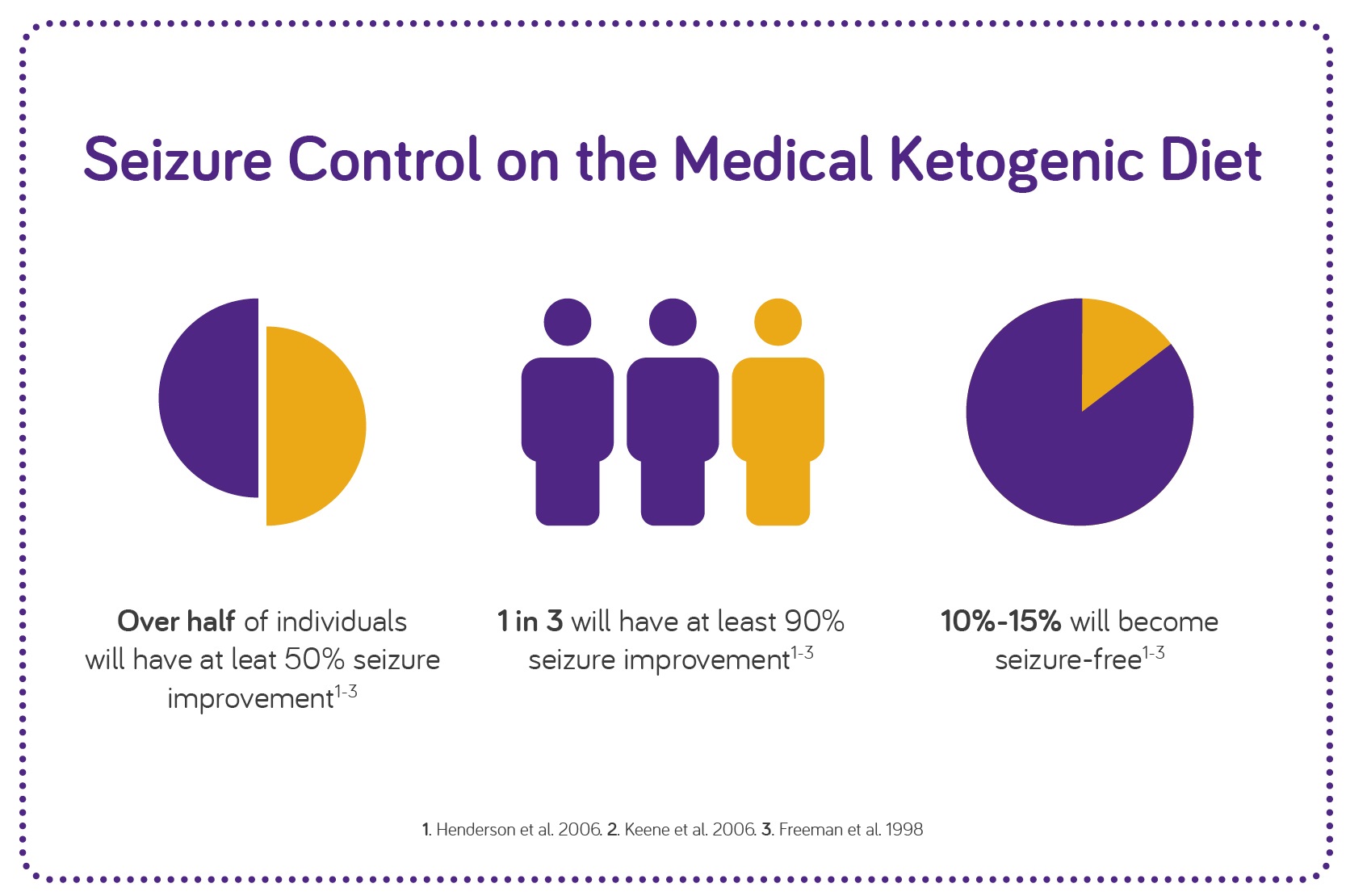
Doctors and scientists have studied the ketogenic diet for a long time to see if it really helps people with epilepsy. Because these studies show good results, doctors and families can trust ketogenic diet therapy as a good way to help reduce seizures for DRE.
Next Steps
If you or a loved one is struggling with uncontrolled seizures after trying 2 or more medications, it might be time to try something new, like the ketogenic diet. This is not just a diet; it’s a special plan that doctors and dietitians help you follow and has shown to help reduce seizures.

Talk to your doctor about finding a specialized epilepsy center where epilepsy experts can help you determine if the ketogenic diet is a good option for you.
Read stories from other people who have found success in seizure reduction on a ketogenic diet. Their experiences might give you hope and inspiration for your own journey.
Remember: Asking your doctor about new ways to help with seizures could make a big difference.
References:
- Hsieh JK, et al. Beyond seizure freedom: Dissecting long-term seizure control after surgical resection for drug-resistant epilepsy. Epilepsia. 2023;64:103-113. doi: 10.1111/epi.17445.
- Brown MG, et al. Concurrent brain-responsive and vagus nerve stimulation for treatment of drug-resistant focal epilepsy. Epilepsy Behav. 2022;129:108653. doi: 10.1016/j.yebeh.2022.108653.
- Kossoff et al. Optimal clinical management of children receiving dietary therapies for epilepsy: Updated recommendations of the International Ketogenic Diet Study Group. Epilepsia Open. 2018 May 21;3(2):175-192.
Brought to you by Nutricia North America
Always consult with your ketogenic clinician prior to making any changes to your ketogenic diet or condition management.
©Nutricia North America 2025